The Empty Mailbox
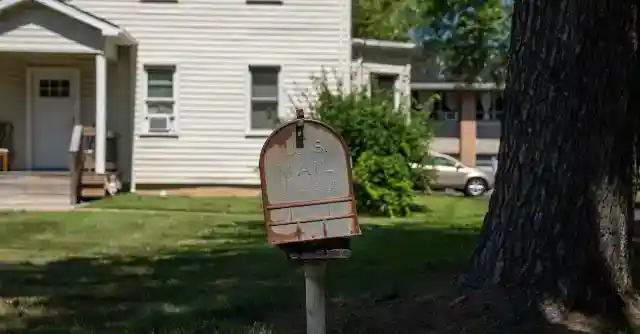
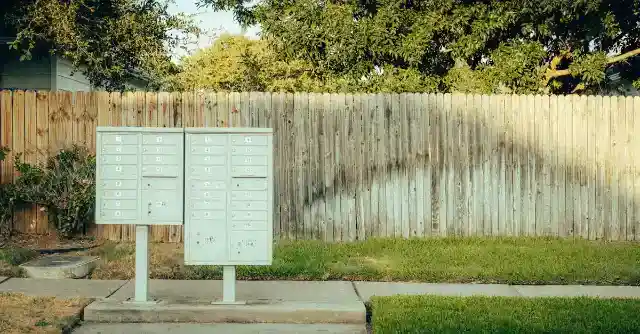
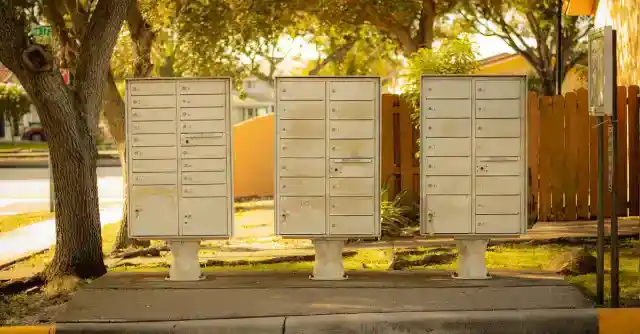
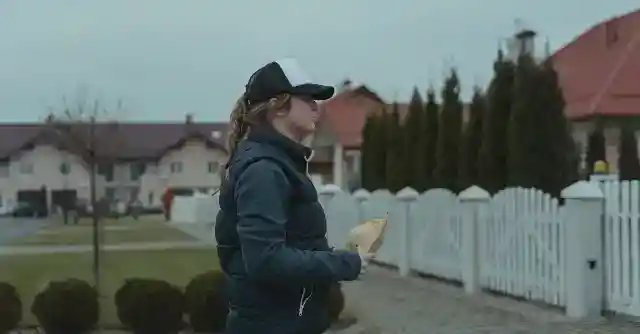
Mike Torres had walked this same suburban Ohio street for eight years, and he knew every customer's routine by heart. Mrs. Henderson always waited by her window at 2:15 PM, Mr. Garcia left cookies during holidays, and Harold Morrison collected his mail before noon every single day.
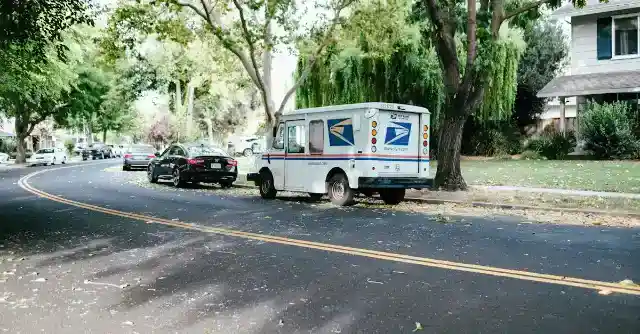
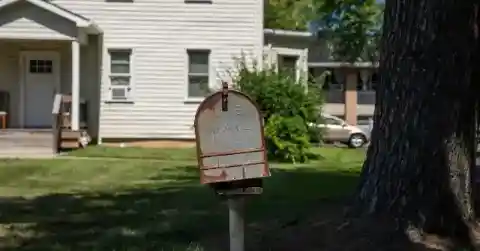
But Harold's mailbox had been full for three days straight, letters spilling onto the ground. Something was very, very wrong.
A Mailman's Intuition
At 34, Mike had seen enough on his postal route to develop a sixth sense about his elderly customers. A missed pickup here, an uncollected package there, these small changes often signaled bigger problems. Harold Morrison, 92 and living alone, was one of his most reliable customers.
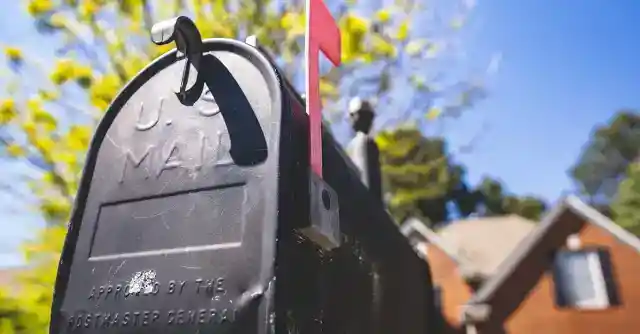
The old man's pristine routine had never varied in eight years. Mike's stomach twisted with worry as he approached the overflowing mailbox again.
Three Days Missing
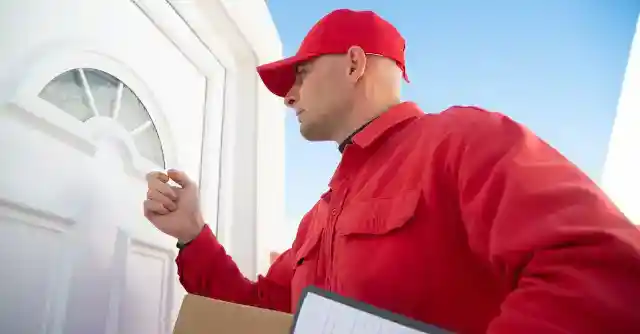
Mike stood on Harold's front porch, the weight of three days' worth of mail heavy in his hands. Bills, advertisements, and what looked like personal letters from around the world had piled up. The house sat eerily quiet, curtains drawn tight against the afternoon sun.
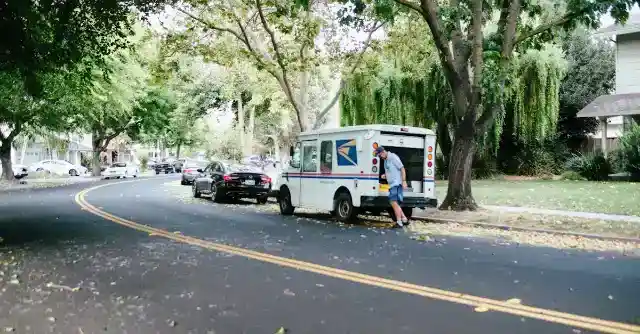
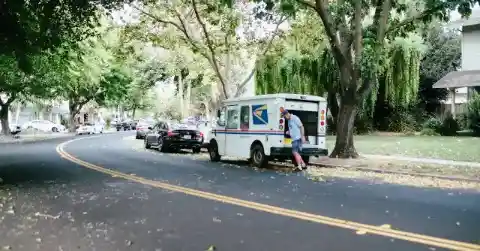
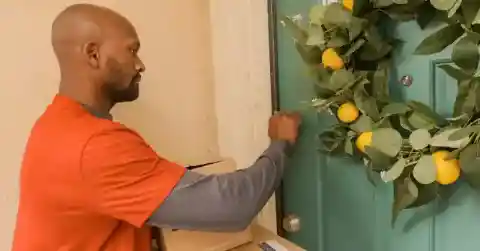
He knocked firmly on the door, calling out Harold's name. The silence that answered sent a chill down his spine.
Breaking Protocol
Every postal worker knew the rules: deliver the mail, don't get involved, and never enter a customer's property uninvited. Mike had followed these guidelines religiously for eight years, building a spotless record with the postal service. But something about Harold's absence felt different, urgent.

Mike glanced around the empty street and made a decision that could cost him his job. He stepped off the porch and headed toward the backyard.
The Decision Point
Mike's hand trembled slightly as he reached for the gate latch leading to Harold's backyard. His supervisor's warnings about liability and proper procedures echoed in his mind. One complaint could end his career, destroy his family's financial security, and tarnish his clean record.
But what if Harold was lying inside, hurt and unable to call for help? Mike pushed open the gate and stepped into forbidden territory.
A Quiet Life
Harold Morrison had always been the neighborhood's most polite recluse. He kept his small ranch home immaculate, tended a modest garden, and never caused any trouble. Neighbors respected his privacy, though many wondered about the elderly man who seemed to have no visitors or family.


Mike was one of the few people Harold spoke to regularly, even if their conversations never lasted more than a few minutes. Those brief exchanges had built a connection that now pulled Mike deeper into unknown territory.
The Perfect Customer
In eight years, Harold had never missed collecting his mail, never complained about late deliveries, and always offered a polite 'good afternoon' when their paths crossed. He received an unusual amount of international mail, though he rarely seemed pleased about it. Most letters he'd glance at briefly before tossing aside with a dismissive grunt.

Mike had always wondered about those letters, but Harold's private nature discouraged questions. Now, walking through the man's backyard, those mysteries seemed more important than ever.
Signs of Trouble
The backyard told a story of sudden abandonment. Harold's prized tomato plants, usually perfectly maintained, were wilting from neglect. A coffee cup sat on the patio table, a film of mold growing on its surface. The back door stood slightly ajar, unusual for a man who always kept everything locked and secure.
Mike approached the door, his heart pounding with each step. What would he find inside Harold's carefully guarded world?
Crossing the Threshold
Mike called Harold's name again as he gently pushed open the back door. The house smelled stale, like it had been closed up for days without fresh air. Everything appeared neat and orderly, exactly what he'd expect from the meticulous elderly man.
But Harold was nowhere to be seen in the kitchen or living room. Mike ventured deeper into the house, following a path he hoped would lead to answers.
The Search Begins
Each room Mike entered revealed more about Harold's solitary existence. The house was spartanly furnished but incredibly clean, with few personal touches or photographs. Military precision seemed to govern every aspect of the home's organization. Even the books on Harold's shelves were arranged with mathematical accuracy.
Mike called out again, his voice echoing through the quiet hallway. Then he heard it, a faint sound coming from the bedroom at the end of the hall.
A Voice Responds
The weak voice that answered Mike's call sent both relief and alarm coursing through him. Harold was alive, but something was clearly wrong with the usually strong, steady tone Mike knew so well. The voice sounded strained, exhausted, and far more fragile than Mike had ever heard it.
Mike hurried toward the bedroom, preparing himself for whatever he might find. Harold's next words stopped him cold in the doorway.
Found But Not Safe
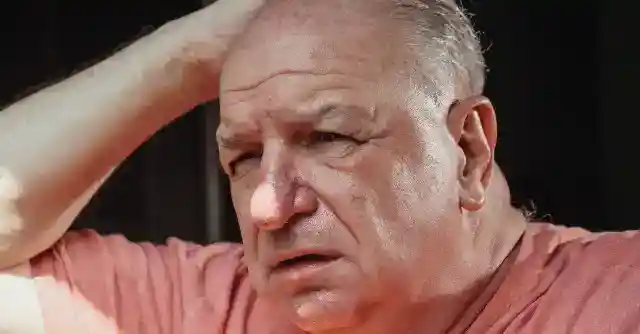
'Go away, Mike. I don't need any help.' Harold's voice carried its familiar stubborn edge, even from his position on the bedroom floor beside his bed. He was conscious and alert, but clearly unable to get up on his own. How long had he been lying there?
Mike knelt beside the elderly man, relief mixing with new concern. Harold's pride might be intact, but his body had clearly failed him.
Stubborn Independence
Harold Morrison had built his entire post-war life around self-reliance and independence. Now, at 92, he glared at Mike with a mixture of embarrassment and defiance. His attempts to wave Mike away were weak but determined. 'I said I don't need help. This is my house, my business.'
Mike ignored the protests and reached for his phone to call 911. Harold's next words revealed just how serious the situation had become.
The Fall
'Been here since Tuesday morning,' Harold admitted grudgingly, his voice barely above a whisper. 'Got dizzy getting out of bed. Hit my head on the nightstand.' A dark bruise on Harold's temple confirmed the story, and Mike realized the old man had been on the floor for over 60 hours.


Mike dialed emergency services, but Harold grabbed his wrist with surprising strength. 'No hospitals,' he said firmly, his eyes holding secrets Mike couldn't begin to imagine.
Emergency Response
Despite Harold's protests, Mike knew the elderly man needed immediate medical attention. The paramedics arrived within minutes, their professional efficiency filling Harold's quiet home with sudden activity. They assessed his condition while Harold continued his stubborn resistance to treatment.
As the paramedics worked, Mike noticed something that made him look twice. One of the medics, reading Harold's medical information, suddenly stopped and stared at the old man with unmistakable recognition.
A Medic's Recognition
The young paramedic, whose name tag read 'Jackson,' kept glancing at Harold with growing amazement. He whispered something to his partner, who also turned to study their patient with new interest. Harold noticed their stares and turned his face away, clearly uncomfortable with the attention.

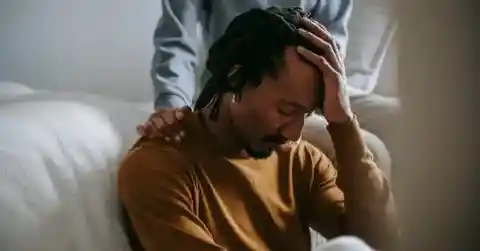
Mike watched the strange interaction with growing curiosity. What could these medical professionals possibly recognize about a quiet elderly man who never left his house?
Refusing Treatment
Harold's resistance to medical care seemed to go beyond normal elderly stubbornness. He refused to answer questions about his medical history, dismissed suggestions for hospital observation, and became increasingly agitated as the paramedics tried to help him. His reaction seemed almost fearful, as if medical attention might expose something he desperately wanted to keep hidden.


Finally, the paramedics compromised, agreeing to let Harold recover at home if someone could check on him regularly. They turned to Mike with an expectant look that changed everything.
An Unexpected Responsibility
Mike found himself volunteering to check on Harold daily, a commitment that went far beyond his postal duties. The paramedics made sure Harold was stable and comfortable in his own bed before leaving. As their ambulance pulled away, Mike realized he was now responsible for an elderly man who clearly valued his privacy above his own safety.


Harold watched Mike from his bed with wary eyes. 'You shouldn't have come in here,' he said quietly, and Mike sensed he meant more than just the house.
Waiting for Family
The paramedics had insisted on contacting Harold's emergency contact, a nephew in California who wouldn't arrive until the following day. Mike settled in to wait with Harold, making sure the old man stayed hydrated and alert. The afternoon stretched long and quiet between them, filled with an awkward tension Mike didn't understand.

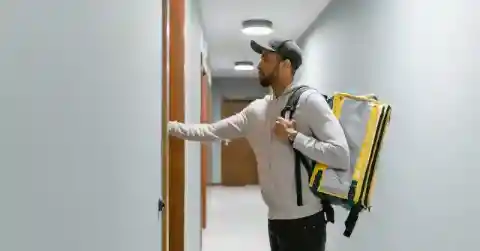
While Harold dozed fitfully, Mike's eyes wandered around the bedroom. What he saw there would change everything he thought he knew about his quiet customer.
Hidden in Plain Sight
On Harold's dresser, partially hidden behind an old lamp, sat a small wooden box that seemed oddly out of place in the spartan room. Unlike everything else in Harold's house, this box showed signs of frequent handling, its edges worn smooth by countless touches. Mike's curiosity grew as he noticed what appeared to be military insignia carved into its lid.


Harold's eyes snapped open, following Mike's gaze to the dresser. 'Don't touch that,' he said with more strength than he'd shown all day.
The Wooden Box
Mike hadn't planned to touch anything, but Harold's sharp reaction made the box infinitely more interesting. The old man struggled to sit up in bed, his eyes never leaving Mike's face. The protective way Harold watched that simple wooden container suggested it held something far more valuable than its modest appearance suggested.
When Harold finally relaxed back into his pillows, exhaustion winning over vigilance, Mike understood he was looking at the center of Harold Morrison's carefully guarded secrets. But what could be so important that it frightened a man who seemed afraid of nothing?
Restless Sleep
As Harold slipped back into uneasy sleep, he began to mumble names and phrases that made no sense to Mike. Words like 'battalion,' 'machine gun nest,' and 'get them out' mixed with what sounded like a list of names. Harold's hands moved restlessly on the blanket, as if he were still fighting some long-ago battle.
Mike listened with growing amazement as Harold's unconscious mind revealed glimpses of a past he'd never shared. Who was this quiet mailman's customer, really?
Letters Everywhere
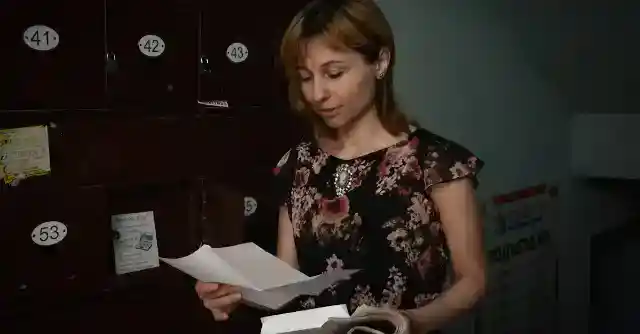
While Harold slept, Mike couldn't help but notice the dozens of unopened letters scattered throughout the bedroom. They bore postmarks from across America and around the world, many addressed in careful, elderly handwriting. Some envelopes showed multiple forwarding addresses, as if they'd been searching for Harold for years.

These were the letters Harold always refused so dismissively, Mike realized. But why would anyone go to such lengths to track down one quiet Ohio retiree?
International Mystery
The letters came from addresses in France, Germany, the Philippines, and dozens of American cities. Many were marked 'Please Forward' or 'Return Service Requested,' indicating years of persistent attempts to reach Harold Morrison. Some envelopes were yellow with age, suggesting decades-long searches that had finally found their target.


Mike picked up one letter that had fallen open, its contents partially visible. The first line he could see made his hands shake: 'Dear Sergeant Morrison, you saved my father's life in 1944...'
The First Revelation
Mike's eyes widened as he read the visible portions of the letter. References to heroism, gratitude from families, and mentions of a place called 'Hill 609' painted a picture completely different from the quiet man he'd known for eight years. Harold Morrison wasn't just a reclusive retiree, he was someone's war hero.


Harold stirred in his sleep, and Mike quickly put the letter down. But the questions it raised burned in his mind: what had Harold done during the war, and why was he hiding from the gratitude of so many people?
A Name Whispered
In his fitful sleep, Harold kept repeating one name over and over: 'Morrison, Harold Morrison, Sergeant, 2nd Battalion.' But then he said something else, something that made Mike lean closer. 'Medal... don't deserve it... they died, I lived.' His voice carried decades of guilt and pain.


Mike stared at the sleeping man with new eyes, pieces of a puzzle beginning to form a shocking picture. Could Harold Morrison be more than just a war veteran?
The Box Calls
With Harold deep in exhausted sleep, Mike found his gaze drawn repeatedly to the wooden box on the dresser. Everything else in the room was ordinary, practical, unremarkable. But that box seemed to pulse with importance, holding secrets that might explain the mysterious letters, the recognition from the paramedic, and Harold's desperate need for privacy.


Mike knew he shouldn't look, knew it would be a violation of Harold's trust. But what if understanding Harold's past could help explain his present isolation?
Crossing Another Line
Mike had already broken postal regulations by entering Harold's house, and now he was about to cross another ethical boundary. But something about the sleeping man's obvious pain, the dozens of unopened letters from grateful strangers, and the mystery surrounding his identity compelled Mike forward. Harold clearly needed help, even if he refused to ask for it.


With trembling hands, Mike lifted the lid of the wooden box. What he found inside would rewrite everything he thought he knew about Harold Morrison.
The Medal of Honor
Nestled in faded blue velvet lay a star-shaped medal that took Mike's breath away. Even someone with limited military knowledge could recognize the Congressional Medal of Honor, America's highest military decoration. The medal seemed to glow in the afternoon light, its ribbon still bright despite obvious age.
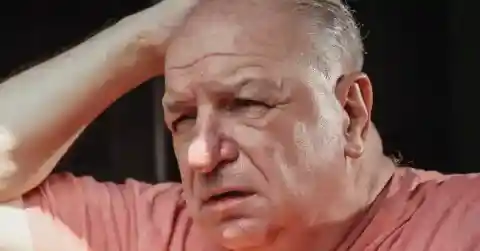
Beneath the medal lay a folded citation that would reveal exactly what Harold Morrison had done to earn such recognition. Mike's hands shook as he carefully unfolded the official document.
The Citation
The official citation told an incredible story of heroism that left Mike speechless. On November 15, 1944, near Hill 609 in France, Sergeant Harold Morrison had single-handedly assaulted three German machine gun positions to save his trapped platoon. Despite being wounded twice, he had continued fighting until all 40 of his fellow soldiers were safely evacuated.


The document detailed acts of courage that seemed impossible for one man to accomplish. But here was proof that his quiet customer was not just a war hero, but one of America's most decorated soldiers.
The Price of Heroism
Harold stirred in his bed, and Mike quickly but carefully returned the citation and medal to their resting place. The old man's eyes opened, immediately focusing on the box with sharp awareness. 'You looked, didn't you?' Harold asked, his voice carrying resignation rather than anger.
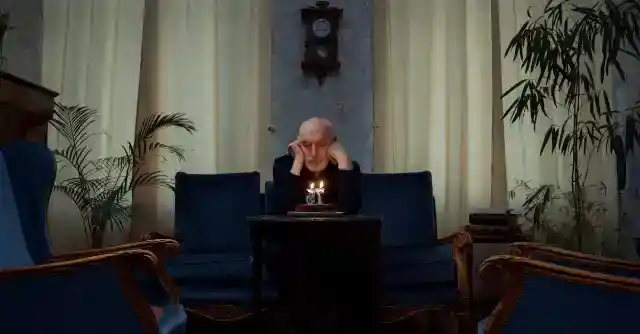
Mike nodded, unable to find words adequate for what he'd discovered. Harold's next confession would explain decades of self-imposed exile.
Survivor's Burden
'Forty men went home to their families because of what I did that day,' Harold said quietly, his eyes fixed on the ceiling. 'But twelve others didn't make it off that hill at all. I got a medal, they got buried in foreign soil. Tell me what's heroic about that math.' His voice carried the weight of 80 years of survivor's guilt.
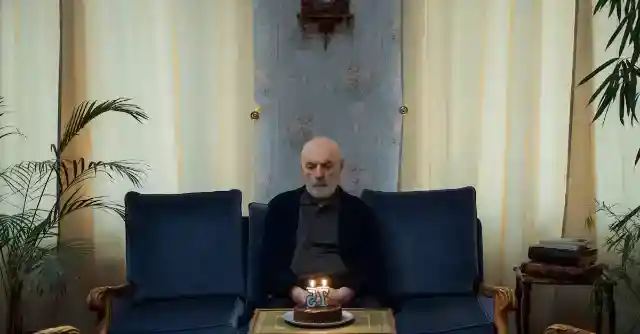
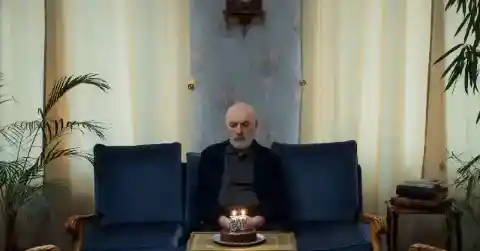
Mike began to understand why Harold had hidden from the world's gratitude. In his mind, being celebrated for surviving when others died was unbearable.
A Lifetime of Letters
Harold explained that the letters had started arriving in the 1950s, as survivors and their families began searching for the man who had saved their loved ones. Children and grandchildren of the rescued soldiers had spent decades tracking him down, wanting to express gratitude that Harold felt he didn't deserve. Each letter was a reminder of his survival when others hadn't been so fortunate.

For decades, Harold had moved frequently, changed his address, and avoided any publicity to escape the letters. But somehow, they always found him.
The Weight of Gratitude
'Do you know how heavy gratitude can be?' Harold asked Mike, gesturing weakly toward the pile of unopened letters. 'Every thank you is a reminder that I'm here and they're not. Every story about the lives I saved reminds me of the lives I couldn't save.' His voice cracked with emotion he'd kept hidden for eight decades.

Mike finally understood why Harold had chosen isolation over recognition. But he also began to see how that choice had created its own kind of prison.
The Nephew Arrives
Harold's nephew David arrived the next morning, a middle-aged man who clearly knew nothing about his uncle's military service. He thanked Mike profusely for finding Harold and promised to arrange for proper care. But Mike could see that David, like everyone else, had no idea who Harold Morrison really was.


As David busied himself with practical arrangements, Mike made a decision that would change Harold's life forever. Some secrets were too important to keep buried.
A Difficult Conversation
Mike waited until David stepped outside to make phone calls, then turned to Harold with gentle determination. 'Those letters aren't asking you to feel guilty,' he said softly. 'They're asking you to let them say thank you. There's a difference.' Harold's eyes filled with tears he'd been holding back for decades.


For the first time in 80 years, Harold began to consider that maybe, just maybe, he'd been wrong about what he owed the world. Mike's next suggestion would test that newfound openness.
A Simple Proposal
Mike proposed something revolutionary: what if they opened just one letter together? Just to see what kind of message had been chasing Harold across the decades. Harold's immediate instinct was to refuse, but something in Mike's earnest face made him hesitate. Maybe it was time to face what he'd been running from.
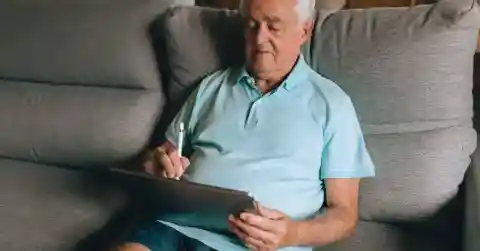
Harold pointed to a letter with a recent postmark, his hand shaking with more than just age. 'That one,' he whispered, and Mike understood they were about to cross a bridge Harold had avoided for his entire adult life.
The First Letter
The letter came from Maria Santos in San Antonio, Texas, whose grandfather had been one of the 40 soldiers Harold saved. She wrote about her grandfather's long life, his successful business, his five children and twelve grandchildren. 'He talked about Sergeant Morrison every Thanksgiving,' she wrote. 'He said you gave him 50 more years to love his family.'
Harold's tears fell freely as Mike read aloud, each word painting a picture of life lived fully because of Harold's heroism. But this was only the beginning of what they would discover.
Lives Multiplied
Maria's letter included photographs spanning decades: her grandfather at his wedding, holding babies, celebrating anniversaries, surrounded by the large family that existed because Harold Morrison had risked everything on a French hillside in 1944. The letter also mentioned a scholarship fund the family had established in Harold's honor, helping young veterans attend college.
Harold stared at the photographs with wonder, seeing for the first time the beautiful multiplication of life that had grown from his moment of courage. Mike reached for another letter, and Harold didn't stop him.
A Pattern of Grace
Letter after letter told similar stories of lives lived, families raised, and legacies built on the foundation of Harold's heroism. The rescued soldiers had become teachers, doctors, farmers, and businessmen. They had raised children who became leaders, artists, and heroes in their own right. Harold's actions had rippled through generations in ways he'd never imagined.

By the time they'd read a dozen letters, Harold was seeing his wartime service through completely different eyes. 'I never thought about what came after,' he whispered to Mike.
The Phone Call
Mike made a suggestion that terrified and thrilled Harold in equal measure: what if they called Maria Santos, just to say hello? Harold's first instinct was panic, but the warmth in her letter had touched something in him that had been frozen for decades. With Mike's encouragement, Harold agreed to let him make the call.


When Maria Santos heard Harold's voice on the phone, her reaction was immediate and overwhelming. Within minutes, she was crying, laughing, and insisting that Harold had to meet the family that owed its existence to his courage.
Word Spreads
Maria Santos couldn't keep the news of Harold's emergence to herself. Within hours, she had contacted other families whose letters sat unopened in Harold's bedroom. The phone began ringing constantly as children and grandchildren of the 40 saved soldiers learned that their hero was not only alive but finally ready to receive their gratitude.
Harold sat in amazement as Mike fielded call after call from people whose lives had been shaped by a day he'd spent 80 years trying to forget. But the biggest surprise was yet to come.
A Town Transformed
Word of Harold Morrison's identity spread beyond the military families to Mike's postal colleagues, then to neighbors, and finally throughout their small Ohio town. Local veterans' organizations, the VFW, and American Legion members began arriving at Harold's door, not as strangers seeking autographs, but as brothers welcoming home a long-lost hero.


Harold, who had hidden from attention his entire adult life, found himself at the center of a celebration he never expected. The town began planning something that would honor both Harold's service and his decades of humble silence.
The Hero's Welcome
Three weeks later, Harold Morrison sat in the town square surrounded by over 200 people who had come to honor him. Military families had traveled from across the country, local veterans stood in formation, and the entire community gathered to celebrate a hero who had lived among them unrecognized for years. Harold wore his Medal of Honor for the first time since the ceremony in 1945.
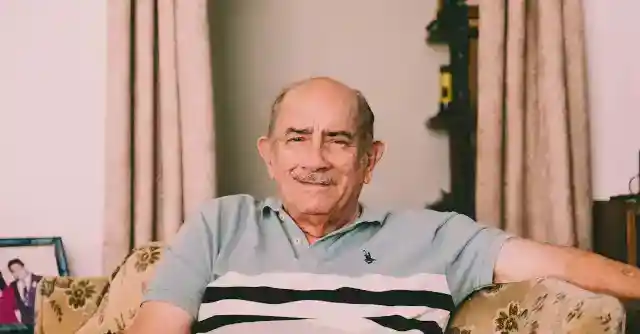
But the most important person standing beside him was Mike Torres, the postal worker who had risked his job to check on a quiet customer. Harold had a special request for his new friend.
A New Partnership
Harold asked Mike to become his official correspondent, helping him respond to the hundreds of letters he'd ignored for decades and facilitating connections with the families who had been searching for him. It would mean extra work for Mike, but the joy on Harold's face as he finally embraced his role in so many life stories made the decision easy.
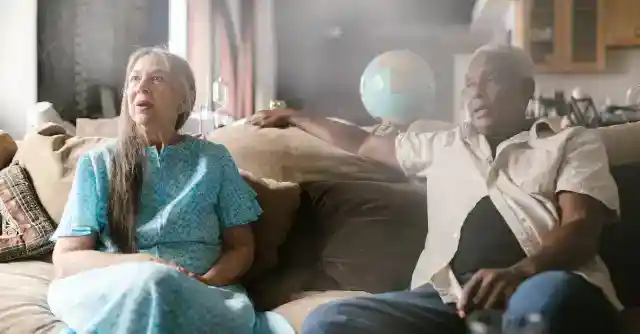
Mike accepted the role gladly, understanding that he'd gained not just a responsibility, but a friendship that had transformed both their lives. Their partnership would help heal wounds that had festered for 80 years.
Recognition at Work
Far from being fired for breaking postal regulations, Mike found himself commended by his supervisors for his compassionate action. The postal service used his story as an example of going above and beyond for customers, especially elderly ones who might need extra care. Mike's route became a model for community-centered mail delivery.


But more importantly, Mike had learned that sometimes the most important deliveries aren't the ones in your mailbag. Sometimes they're the connections you make along the way.
Letters of Life
Over the following months, Harold and Mike worked together to respond to decades of accumulated correspondence. Each letter they opened revealed another life touched by Harold's heroism, another family whose existence could be traced back to that November day in 1944. Harold began to understand that honoring the dead meant celebrating the living.

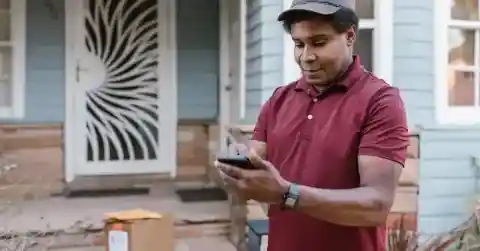
The correspondence project became a healing journey for Harold, transforming his survivor's guilt into gratitude for the privilege of making such a difference. Mike witnessed the daily miracle of a man coming back to life after 80 years of self-imposed exile.
A New Mission
Harold and Mike established a foundation to help other veterans struggling with survivor's guilt and PTSD, using Harold's story to show that healing was possible at any age. Harold began speaking to young soldiers, sharing both his wartime heroism and his decades-long struggle with its aftermath. His message was powerful: survival isn't something to feel guilty about, but something to honor through living fully.


At 92, Harold Morrison had finally found his post-war mission. And it all started with a postal worker who cared enough to break the rules for a quiet neighbor.