30th place: Satomi Shigemori (talent)
Shigemori Satomi, a TV personality known for appearing on shows like Meccha Ike after beginning her career as a gravure model, became the subject of attention in 2013 when Friday magazine published a photo from her junior-high days. The image showed her with dyed brown hair and wearing what looked like a dramatic “special attack” outfit. Because the clothing resembled attire often associated with biker groups, rumors circulated that she may have once been part of a motorcycle gang. Shigemori, however, has dismissed these claims. She explained that the photo came from a playful stunt in which she and some classmates decided to “go out with a bang” after graduation by dressing up and parading around the school before heading to Hakata Station to shout celebratory graduation cheers.


Afterward, she stopped keeping that part of her youth under wraps and began sharing lighthearted stories from those days—such as mentioning that her middle-school girlfriend was said to be the leader of a group in a nearby town. A childhood friend from Hakata also recounted an anecdote in which a convenience-store employee supposedly misunderstood Shigemori while he was removing nail polish in the restroom, mistakenly thinking he was doing something illicit, which resulted in a brief confrontation with the police. Although his personality is calm and relaxed today, these stories contribute to the image of someone who was once a bit of a handful, regardless of whether the biker-gang rumors are true. Still, fans often say that Shigemori has grown even more attractive with age, especially after turning 30. While some speculate about cosmetic enhancements, many believe she will continue to maintain her distinctive place in the entertainment world.
29th place: Sho Aikawa (Actor)
Sho Aikawa, known for films like the 2004 release Zebraman and for putting out numerous albums, has long had a reputation for toughness in his youth. In his teenage years, he was widely talked about in Shinjuku as a “legendary fighter” figure. According to stories he has told, he would sometimes drink until sunrise in Shinjuku and then casually ask members of local biker groups for a ride home, essentially treating them like an informal taxi service—even when moving between bars. He has mentioned that these riders were “surprisingly courteous,” which many attribute to the respect they reportedly had for him. Another oft-told anecdote recounts a time when he was in a car with Hikaru Genji’s Kazumi Morohoshi in Roppongi and they were suddenly surrounded by bikers. Aikawa supposedly told Morohoshi to stay safely inside because of his fame, stepped out alone, and calmly instructed the group to leave, defusing the standoff.
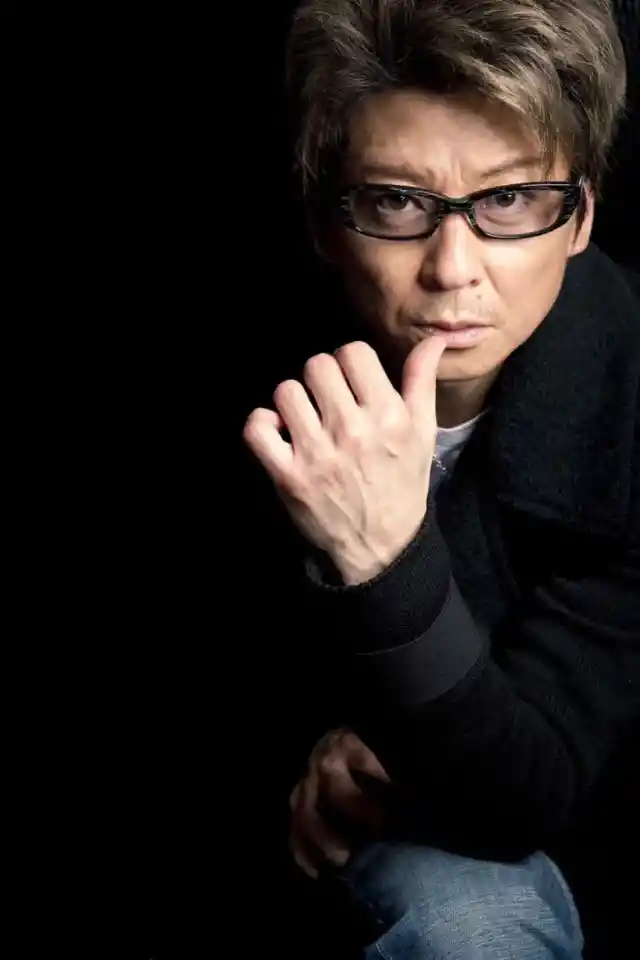
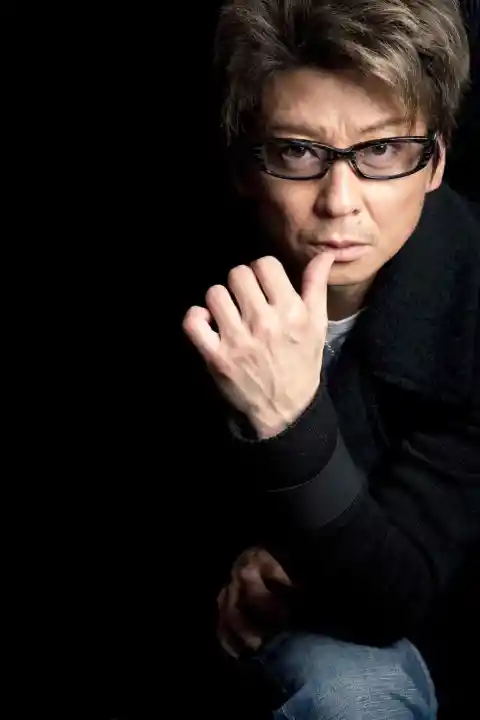
There is also a well-known story from when Aikawa was 19 about a massive clash on Takeshita Street involving two biker factions—one around 300 people and another roughly 100. Reports say Aikawa joined in after a bloodied man ran up to him asking for help, claiming a gang was causing trouble. The smaller group was allegedly overwhelmed after a pincer attack by about 150 members of the Oikawa faction and another 150 led by Hideo Nakano. Not long after, in 1984, Oikawa went on to create the street performance unit “Isseiki Sepia.” Aikawa’s acting career also accelerated, and together with Riki Takeuchi he became recognized as a major figure in the V-Cinema world. He hit a milestone in 2004 by starring in his 100th film, Zebraman, and even in 2024 continued to appear in films, including portraying a detective role.
28th place: Naoko Iijima (actor)
Naoko Iijima rose to fame through a Georgia coffee commercial and became known as the “original healing actress.” Although she was reportedly quite shy in childhood, she began acting out during her junior-high years in Yokohama. Various accounts claim she was involved with a Kawasaki-area biker crowd at the time. Her family ran a hair salon, and she often sported either a Seiko-style cut or a bold perm—looks that were against school rules, leading teachers to scold her frequently. Even in those days she was considered very attractive, and rumors circulated that she dated a local gang leader. She was said to be popular among delinquents and biker groups, and there’s even a story about a boyfriend who failed to show up for a date because he had been sent to juvenile detention. Tales like these contributed to her reputation as an “early delinquent entertainer.”


Iijima herself has never tried to conceal her past; an anecdote often repeated on television describes Sanma Akashiya asking her to bring a childhood photo, only for her to produce nothing but a picture of herself in full delinquent fashion. After finishing high school, she worked part-time at a neighborhood café, where she was discovered and subsequently made her entertainment debut in 1988. Even after entering show business, her love life drew attention. At age 20, she reportedly dated Kimura Kazuya, the son of Yasushi Yokoyama. In 1989, during their relationship, Kimura was arrested for an incident involving a taxi driver. To this day, she is still described as someone who tends to attract passionate, rough-around-the-edges men.
27th place: Teruyuki Tsuchida (comedian)
Teruyuki Tsuchida is a comedian best known as part of the duo U-trun. He attended Saitama Institute of Technology Fukaya High School, which was reportedly a challenging environment academically at the time. Stories suggest he may have been involved with a motorcycle gang called “Cinderella.” Tsuchida does not appear to hide his past, having even shared a photo of himself in a delinquent pose sporting a pompadour hairstyle. Allegedly, he was once suspended as a freshman due to an incident at school. Despite these tales, his true personality is described as shy and introverted, with a strong love for manga. He reportedly found conflicts between delinquents troublesome and rarely joined in, though he did participate in school trips—even walking the streets of America in his uniform and pompadour.
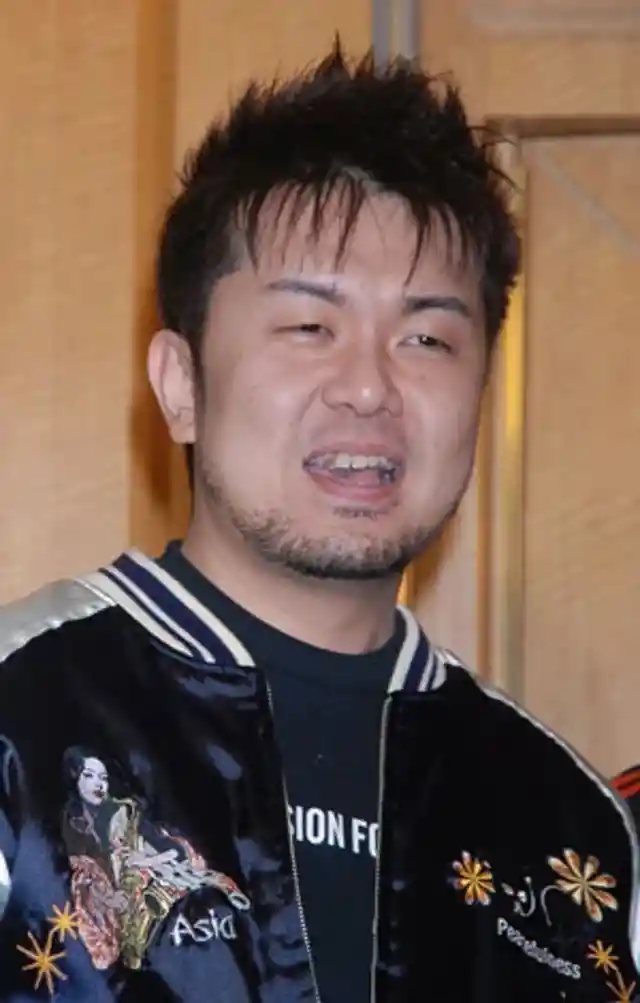
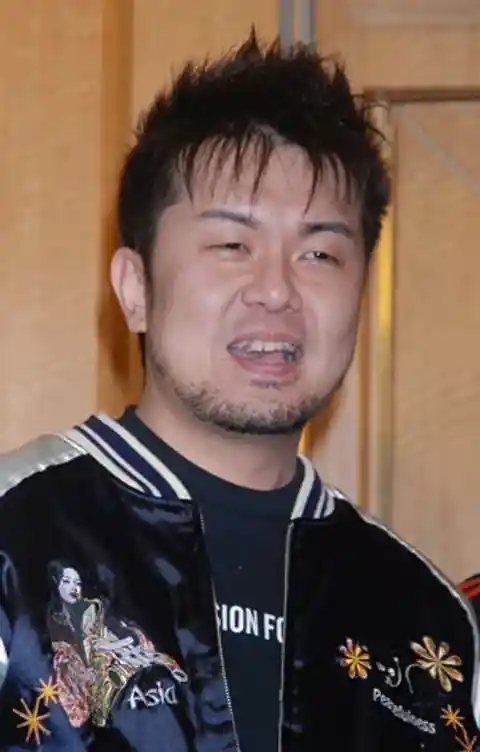
In April 1991, while attending Tokyo Announcement Academy, Tsuchida formed U-trun with Tsushima Morihiro. Their appeal was reportedly the contrast between Tsuchida, with his rebellious past, and Tsushima, an honor student and student council president. Over time, however, tensions grew within the duo, and Tsuchida’s former delinquent tendencies reportedly contributed to harsh interactions with his partner, leading to the group’s disbandment in 2001. He has also been known to get seriously frustrated with fellow cast members, occasionally showing flashes of his rebellious side. Tsuchida once admitted that he used to think “not getting along is cool,” leaving fans curious about how much his delinquent side has softened over the years.
26th place: Kaori (Idol)
Kaori rose to prominence in the 1990s through the biker‑culture magazine Teens Road. She was widely known as the second head of the Tochigi‑based women’s biker group “Kita Kanto Hard‑Boiled Federation – Kizokuin Women’s Division,” and became a charismatic figure in that scene. Although she eventually passed the leadership role to an older member, many people regard her as the group’s practical founder. According to interviews, she experienced bullying due to her Taiwanese background, and when she entered junior high she began acting out, getting involved in shoplifting, unlicensed riding, thinner sniffing, and smoking. She did not continue on to high school; instead, while working as a hostess, someone suggested she “try being a ladies’ girl,” which inspired her to start her own path in that world.
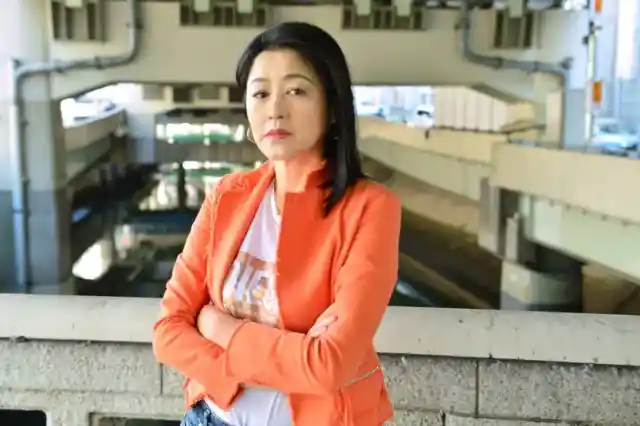

Despite the rough reputation of biker groups, she has said that her time there involved strict discipline and a lifestyle more structured than her junior‑high years. Kaori left the Kizokuin Women’s Division at 18 and made her record debut in 1984 with the ladies’ anthem “First Generation Onikazeha.” The group later disbanded after about two years. She attempted to remain in entertainment, but after her agency folded and she became pregnant at 21, she married and eventually stepped away from show business. Reports later stated that she divorced due to domestic abuse, after which she raised her two sons on her own. Kaori reemerged in 2021, gaining renewed attention following an appearance on Knuckles TV, the official YouTube channel of Jitsuwa Knuckles. In 2023, she released her first autobiography, recounting her turbulent life and reestablishing her presence in the public eye.
25th place: Yuko Oshima (Idol)
Yuko Oshima, one of the “Kami 7” members of the idol group AKB48, is widely known among fans for her rebellious youth and is said to have led a local group called “Yellow E.” Her defiance reportedly began in her second year of junior high school. While the exact reasons remain unclear, people who knew her at the time have suggested that her parents’ divorce may have played a role, leading her to dye her hair blonde and adopt a rebellious persona. In interviews, Oshima has mentioned that her hair color sometimes prevented her from attending classes. She has also said, “I went out to bring back rebellious friends, but the hunter ended up becoming the hunted.” Even when confronted about her appearance, she would often ignore it, sometimes spending the day in the nurse’s office. During her idol days, she appeared in a delinquent-themed film that was well-received, with many remarking on how convincingly she performed.


Oshima later became the captain of AKB48, a role that required keeping a large and diverse group together—skills that may have been shaped by her earlier experiences. After graduating from the group, she established herself as an actress, appearing in numerous films and television dramas. Many fans speculate that her ability to navigate the demanding entertainment world may stem from the lessons she learned as a former delinquent, where strict hierarchies and complex social dynamics were the norm.
24th place: SHUN (former EXILE)
Shun, formerly a vocalist of EXILE, has been active under the name Kiyokiba Shunsuke since 2004. He reportedly had a rebellious streak from his junior high school days and, during high school, was said to lead a Yamaguchi Prefecture motorcycle group called “Tsufuu Boui.” Allegedly, he was expelled in his first year for an altercation with a teacher, reportedly over the teacher criticizing his older brother. After leaving school, he reformed to some extent, working as a scaffolder and carpenter before founding his own construction company at the age of 19.


Shun continued pursuing music and joined EXILE in 2001, with his passionate nature remaining evident even after entering show business. Reports suggest that in January 2006, he was involved in an incident with a staff member at his agency, which reportedly resulted in a serious injury. He left EXILE later that year. While the official explanation cited “differences in musical direction,” some sources claim that behavioral issues also played a role, and that the group’s president, HIRO, struggled to manage the situation.
23rd place: Jun Kurose (comedian)
Jun Kurose, the straight man of the comedy duo Punk Boo Boo, spent his middle and high school years in Fukuoka and reportedly joined the local biker group “Akushima.” He eventually became vice president of the gang, and photos from that period have even been shown on television. During junior high, he rarely attended school, and his parents discovered his extended absences when his report card revealed hundreds of missed days. Around this time, he became known as a delinquent, often riding motorcycles with friends and experimenting with paint thinner and cigarettes. Some anecdotes mention that he would even mock classmates while engaging in these activities.
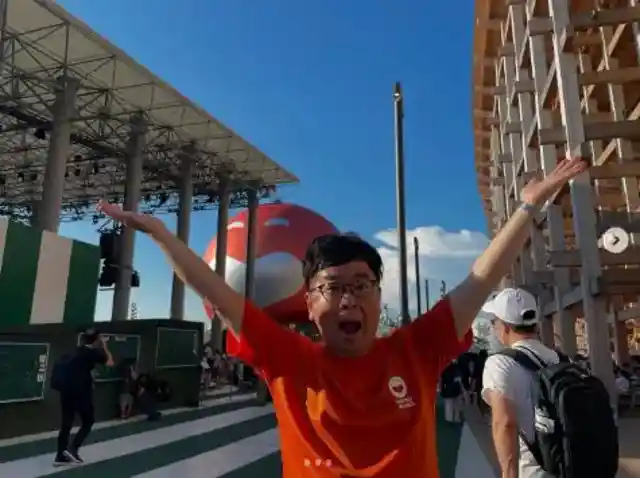
Kurose’s rise to vice president was reportedly less about physical strength and more about his humor, as he was often elected for his witty remarks. After leaving the gang in his second year of high school, he entered the workforce before forming Punk Boo Boo with Sato Tetsuo in 1997. His comedic talent, shaped by his early experiences, was later showcased during competitions such as the 2009 M-1 Grand Prix.
22nd place: Nozomi Maeda (model)
Nozomi Maeda, a model and TV personality, appeared on the information program Oha Star as an Oha Girl. While she is now known for her pure and innocent image, rumors suggest that she was a feared delinquent in her hometown during her school years. She was also said to have been involved with a motorcycle gang and sometimes intimidated those around her. Stories of her courage also circulated—for instance, that she would rush to break up fights even when far away—but the accuracy of these accounts is unclear, and they have taken on something of an urban legend status.


Maeda began modeling in the sixth grade and became an Oha Girl in her first year of junior high. During that time, she balanced school with early-morning work in the entertainment industry, waking at 2:30 a.m. to attend studio shoots before going to classes, while also navigating her rumored rebellious streak. Later, she transitioned into being a YouTuber, and in 2025 she married Watanabe Ryoma, a player for Urawa Red Diamonds. Her marriage announcement drew an outpouring of congratulatory messages, with fans calling them “a beautiful couple.” Today, she presents herself as a wholesome and innocent figure, so stories of her delinquent past may now feel like distant memories.
21st place: YOSHIKI (Artist)
YOSHIKI, the leader of the music group X JAPAN, is said to have had a rebellious streak during his junior and senior high school years, reportedly even joining a motorcycle gang. Despite his rough image—smoking, hanging out with delinquent groups, and occasionally getting into fights—he was also a diligent student. He is said to have brought a vocabulary book to gang meetings and kept promises to his mother not to use paint thinner or drugs, steal, or assault others, while still preparing for his entrance exams.
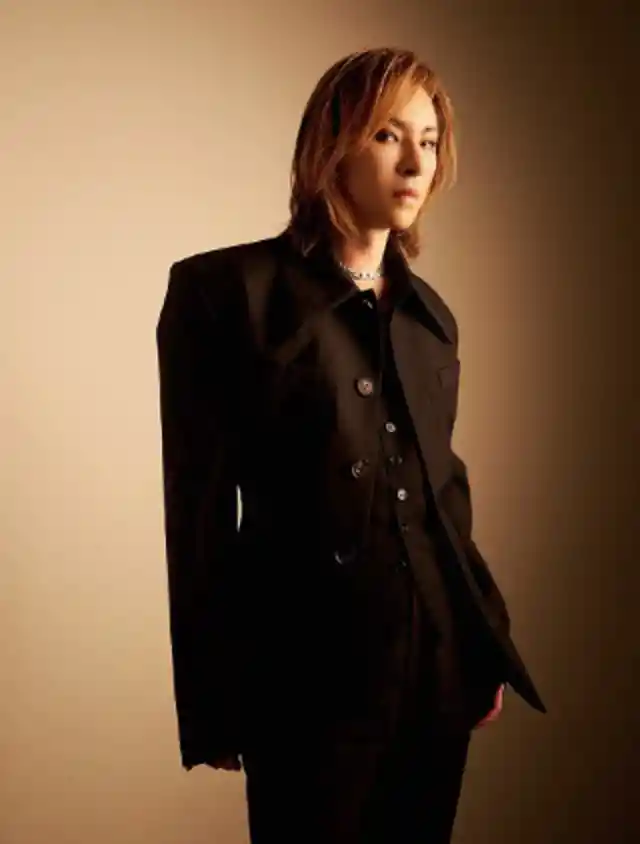

Thanks to his studies, YOSHIKI was accepted into one of the top high schools in his hometown. He famously attended the entrance ceremony with bright red hair and a knee-length school uniform, telling all ten classes, “If anyone has a problem with me, come and tell me!”—though he recalls feeling out of place at such a prestigious school. During university, he changed his look to a blond pompadour for three years and is remembered for anecdotes like storming into the staff room with a wooden sword as a “thank-you visit” at graduation. Although he had gained university admission through a recommendation, YOSHIKI ultimately chose to leave school and pursue a career in entertainment.
20th place: Masaki Sada (comedian)
Masaki Sada, the straight man of the comedy duo Bad Boys, was reportedly a prominent figure in Fukuoka’s youth subculture. During high school, he is said to have led the “Fukuoka Rengo Nidaime” and the motorcycle gang “Gen’ei,” then considered the most powerful gang in the area. Stories suggest he had already built a fearsome reputation in junior high, with tattoos and even an incident involving a watch shop. In high school, he allegedly led his underclassmen to victory in a 30-on-30 match against upperclassmen, earning recognition among local delinquent circles. Numerous anecdotes highlight his skills in confrontations, including winning a so-called “mountain one-on-one” duel between two school leaders, where the victor earned a ride home in a car. However, an arrest prevented him from attending a high school field trip he had been looking forward to.
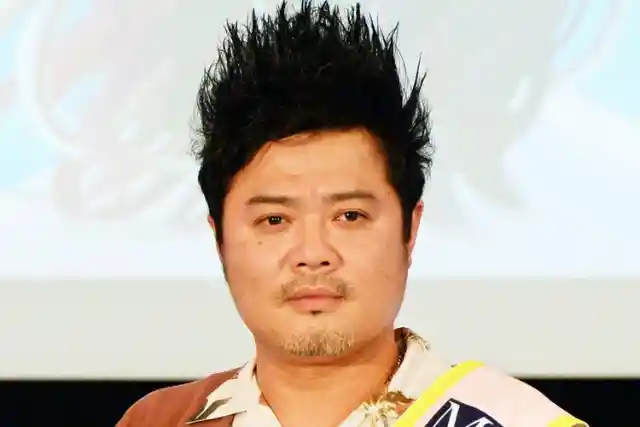
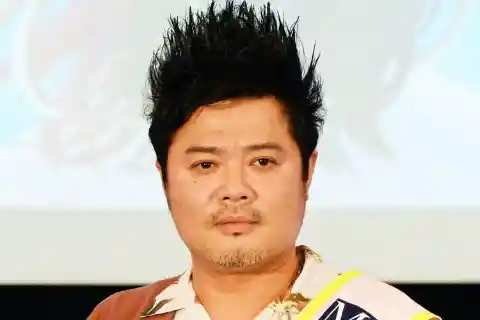
Following his arrest, Sada was sent to a detention center, though his homeroom teacher reportedly intervened to have him hospitalized instead, allowing him to graduate without major disruption. Grateful for this kindness, he decided to leave the motorcycle gang world after graduation. In April 1997, he formed Bad Boys with Omizo Kiyoto, another former Fukuoka Rengo gang member. Sada has retained his tattoos, and his colorful stories continue, including a 2023 revelation about a previously undisclosed child. He publicly acknowledged the child, apologized, and expressed a desire to support both his wife and her partner.
19th place: Sarina Suzuki (talent)
Sarina Suzuki, who won the 6th All-Japan National Beauty Contest in 1992, released three albums as a singer between 1996 and 2000. She has long had a tendency to become deeply absorbed in her interests, one of which was reportedly “yankee activities.” While the exact gang she may have been involved with is unknown, she has shared that during her student years she rode motorcycles as part of her “social experiences” and self-expression. Additionally, her high school boyfriend was said to be a motorcycle gang leader a year older than her. Although their relationship was brief, she recalls that after her entertainment debut, her friends excitedly remarked, “That’s the girl!”


Even today, Suzuki occasionally references phrases from her past association with biker culture. In the 2022 drama Namba MG5, she played the mother of a delinquent family, coaching her junior actors on how to portray rebellious roles with detailed instructions, including playful guidance on rolling their tongues with “ra ri ru re ro.” Her performance was noted for its naturalness, requiring little additional acting. In the drama, her character’s father was played by Ukaji Tsuyoshi, who is known for his own past as a motorcycle gang leader. While her playful image on variety shows may be carefully crafted, accounts from her past suggest she has a genuine connection to delinquent and motorcycle gang culture.
18th place: Sho Ayakoji (artist)
Sho Ayakoji, a member of the music group Kishidan, became involved in delinquent activities during high school under the influence of his peers and also joined a motorcycle gang. According to Ayakoji, he “wasn’t particularly interested in motorcycles” but felt compelled to join due to local trends, even getting a perm to fit in. He was affiliated with the biker group “Kisarazu Sally,” though he mainly joined because of friendships and was not especially active in gang affairs. During junior high, the number of delinquent friends around him increased, and it was around this time that he began playing in a band.
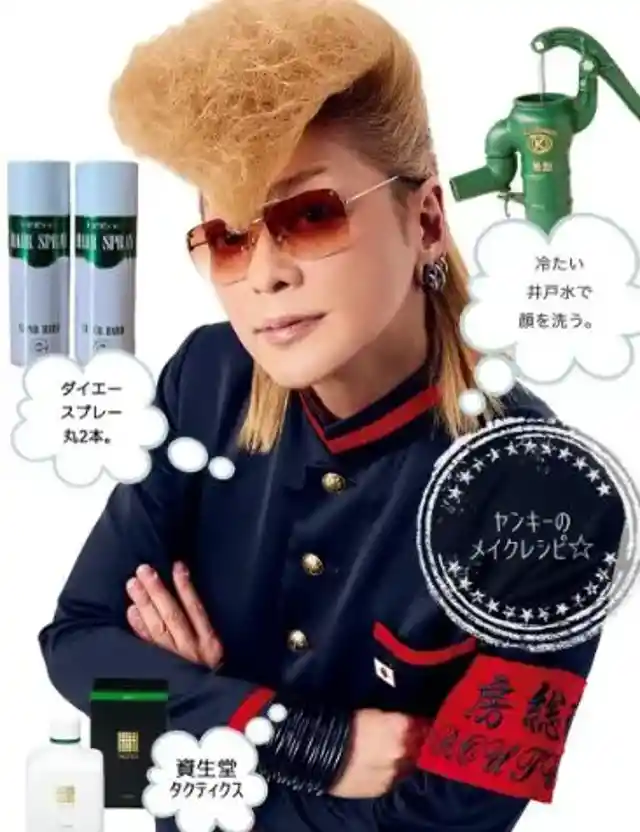
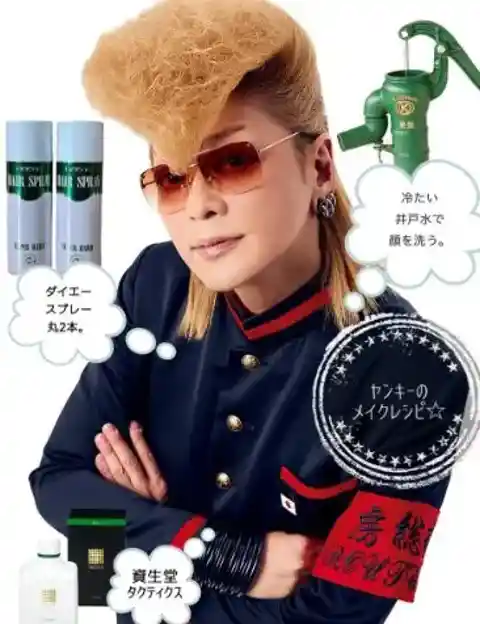
Music quickly became his main focus, and he continued performing while working part-time at the nearby Mother Farm. Classmates have described him as genuinely kind and less of a delinquent than he appeared. After high school, he chose not to attend university, instead pursuing his music career while changing jobs several times. At 21, he formed Kishidan. The band gained wider recognition in 2002 when they appeared in the TV drama Kisarazu Cat’s Eye. Their first single, “One Night Carniva,” became a hit, helping establish them as a popular rock band.
17th place: Yuji Homma (Actor)
Yuji Homma is an actor known for films such as Mr. War and Christmas on the Battlefield. Before his acting career, he was reportedly involved with the Tokyo-based motorcycle gang “Black Emperor,” eventually becoming its third leader. After dropping out of high school, he joined the gang and was active for several years, serving as head of the Shinjuku branch and later earning the title of third honorary leader. During this time, he gained a reputation as a “legendary motorcycle gang member” and also worked as an assistant to Nishikino Akira.
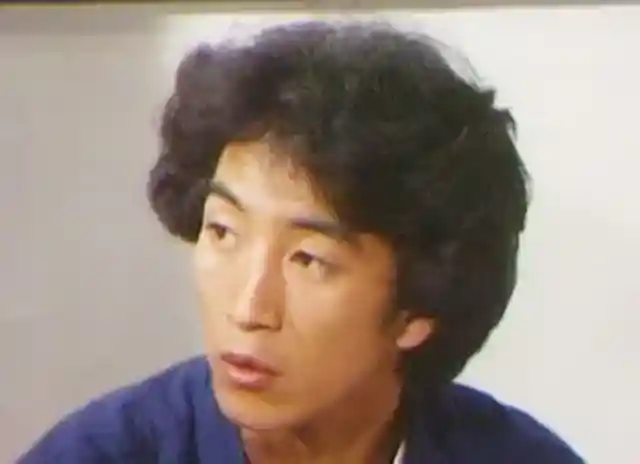
Although Homma initially had little interest in acting, he made his debut in 1979 under a one-film contract in Map of 19 Years Old, a movie inspired by the Black Emperor gang. The following year, he won the “Best Newcomer Award” at the first Yokohama Film Festival. He subsequently appeared in suspense dramas and other shows, steadily building popularity, but retired from acting in 1989. The reasons for his early retirement are unclear, though it is said he had never originally intended to pursue acting as a career. While his post-retirement activities are not well-documented, he married in 1985 the female president of the major entertainment agency Sky Corporation, and his younger brother, Ken Homma, is the president of LesPros Entertainment, indicating close ties with key figures in the industry.
16th place: Naoto Kuriyama (comedian)
Naoto Kuriyama was the comedian of the duo Armstrong, which disbanded in 2014. His partner, Shogo Yasumura, was known for his cheerful personality. Kuriyama had a rebellious streak from a young age, reportedly playing pachinko in junior high, repeatedly smoking at school, and eventually being expelled. He also joined a motorcycle gang. After leaving school, he worked as a carpenter and later became involved with the local Hokkaido gang “Shigure.” Due to Hokkaido’s harsh winters, gang members were reportedly allowed to wear special attack uniforms and walk through the snow during the short active season, and Kuriyama has shared stories of the gang even holding a graduation ceremony.
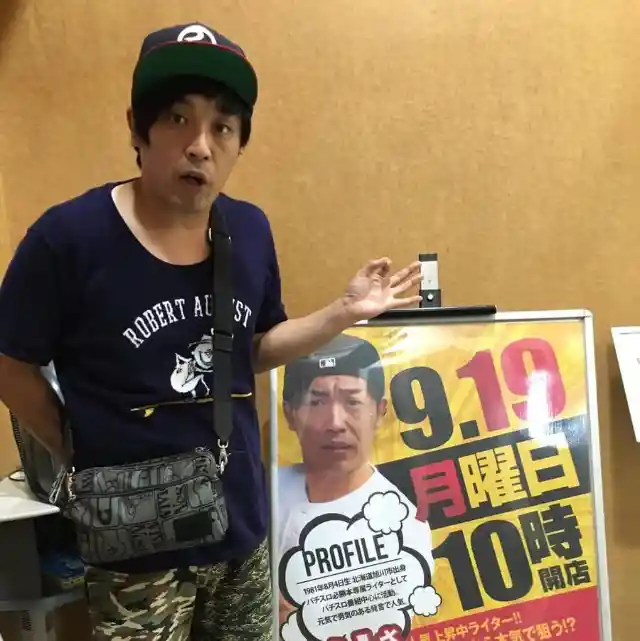

Afterward, when his friend Yasumura moved to Tokyo, the two formed Armstrong in 2000. The duo disbanded in 2014, partly due to Kuriyama’s reportedly condescending behavior. Following the split, he left Yoshimoto Kogyo, adopted the stage name “Kuri,” and positioned himself as a “popular entertainment talent.” He has since appeared on pachinko- and pachislot-related programs and online videos, and currently works as a “pachislot writer,” continuing to focus on gambling-related topics.
15th place: Nakai Masahiro (Johnny's)
Masahiro Nakai, a former member of the idol group SMAP, joined Johnny’s Entertainment while he was still in junior high school. At the same time, he was reportedly involved with the Kanagawa-based motorcycle gang “Pierrot,” a large group divided into several branches. Nakai is said to have joined Pierrot in his second year of junior high, often skipping classes to spend time on the beach with gang members. Influenced by a fellow student affiliated with Johnny’s, he ultimately joined the talent agency in 1987, balancing Saturdays with the motorcycle gang and Sundays with Johnny’s activities.
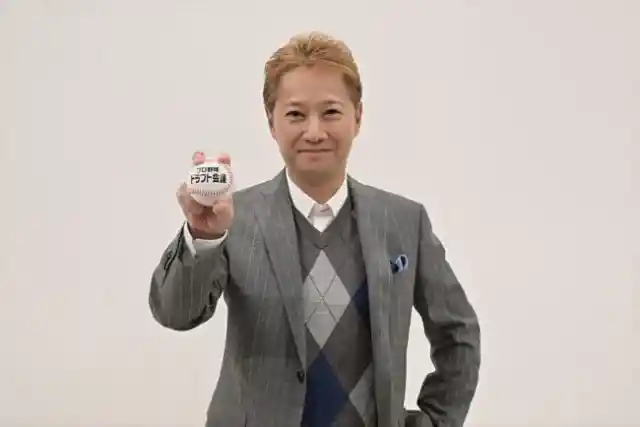

Pierrot occasionally traveled to Tokyo for confrontations with rival gang members, and Nakai reportedly participated in some of these encounters. One notable incident involved a young Kimura Takuya, who has also acknowledged having been in a “militant gang.” Even after SMAP was formed, Nakai had several rebellious episodes, including a 1992 fistfight with Kimura. His biker gang friends even appeared on the 27-Hour Television program, clearly dressed in delinquent attire. Nakai’s ability to succeed at Johnny’s despite his past reportedly came with the approval of Johnny Kitagawa, who encouraged him to “make it a YOU joke!” Although this explains part of his rise, some suggest there may have been other, less-discussed factors at play within Johnny’s Entertainment.
14th place: Udo Suzuki (comedian)
Udo Suzuki, the comedian of the duo Kyaeen, is known for his gentle on-screen persona, but rumors suggest he was once a commander of a motorcycle gang. During high school, he was an avid reader of Young Auto, a car magazine popular among delinquents. Comedian Tetsuro Degawa, from the same generation, once went out with Suzuki when he was single, and the two were reportedly confronted by gang members. Suzuki is said to have intimidated them with his commanding presence and strong words. Another story tells of an incident when his partner Amano was addressed by his first name by a gang member—Suzuki allegedly chased the person down and lectured him. He was also a member of his high school judo club, which contributed to his reputation as a skilled fighter.
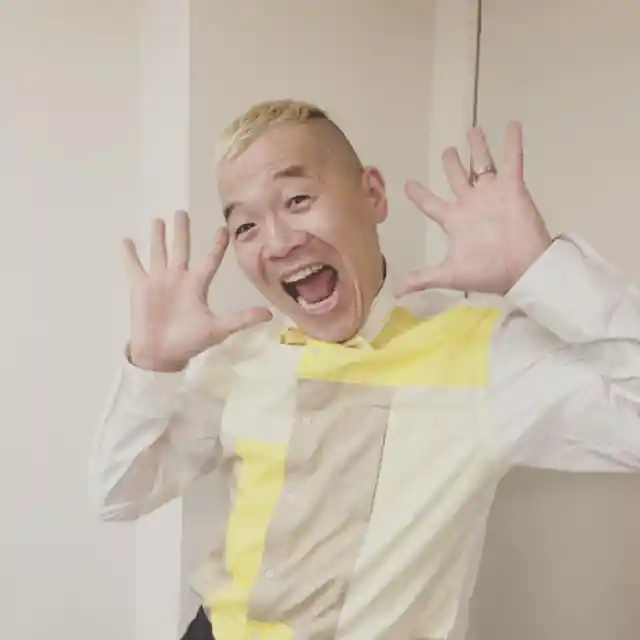

Although few anecdotes detail his time in a motorcycle gang, there is little doubt he was considered a delinquent in his youth. Some accounts describe him as a “gentle delinquent” who rarely lost his temper. However, in 2002, he reportedly got into a confrontation in Kabukicho with young troublemakers that led to legal involvement. While he initially tried to respond calmly, he defended himself when a friend was attacked, which further cemented his reputation as a formidable fighter. For better or worse, Udo Suzuki is regarded as one of the strongest personalities in the entertainment industry.
13th place: Kyoko Koizumi (Idol)
Kyoko Koizumi, a prominent idol of the 1980s who also appeared in the 2024 drama Fukokuni mo Hodo ga Aru, is rumored to have been involved with a ladies’ group during her junior high and high school years. During that time, she reportedly modified her school uniforms and occasionally engaged in smoking and drinking. She favored long skirts and ribbons popular among delinquents, giving her a rebellious image. Her boyfriend was also known to be a delinquent, and there is an anecdote that a motorcycle gang even appeared at her school to celebrate her graduation.
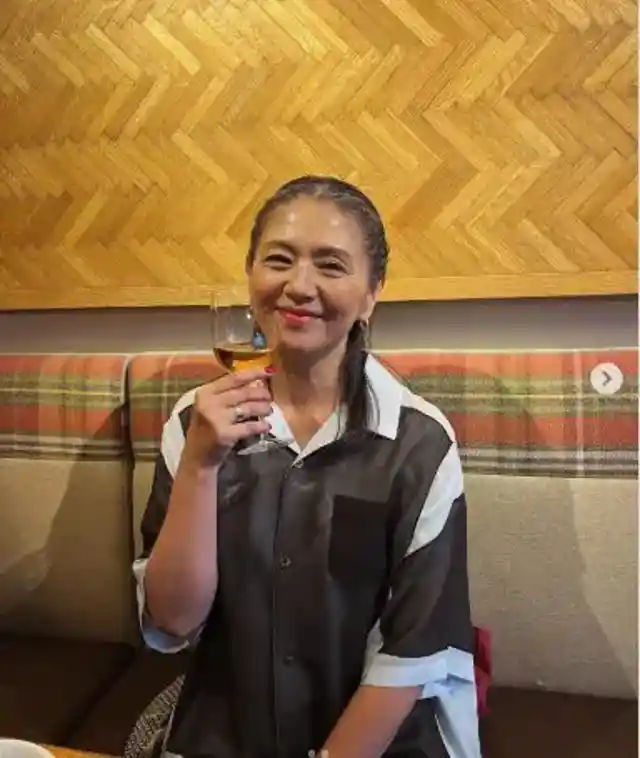
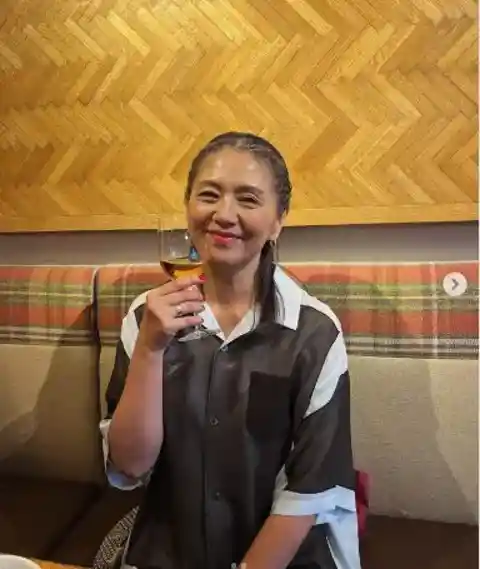
In high school, she sometimes rode her boyfriend’s motorcycle to school and often skipped classes to go on drives with male friends. Despite these rebellious activities, she was determined to become an idol and left high school at the age of 15 to pursue her career. She later established herself as both an idol and actress. While claims that she led the ladies’ group may be exaggerated, it’s clear she spent time in a delinquent-like environment with her partner. Another notable story describes her standing up to Johnny Kitagawa when he tried to intimidate her, reinforcing her reputation as a strong-willed and determined woman.
12th place: Yosuke Eguchi (Actor)
Yosuke Eguchi, an actor who gained fame with the Toei film Shonan Bakusozoku, is said to have been a troublemaker in high school, with online rumors suggesting he even joined and led a motorcycle gang. During that period, he reportedly wore an embroidered running uniform and spent much of his time in fights. Overweight in junior high, he is said to have run 10 km daily after entering high school, eventually losing around 20 kg. When the audition for Shonan Bakusozoku came around, Eguchi was selected partly because his name closely matched that of a character in the film.


In the movie, he appeared with a purple pompadour, having dyed his natural hair for the role. His past as a delinquent reportedly helped him portray the character authentically, contributing to his popularity. It is also rumored that Oda Yuji, another cast member, had once led a Shonan motorcycle gang. Eguchi continued to rise as an actor and, in the 1990s, grew his hair long—a style considered “cool” at the time. As of 2025, he remains active as both an actor and a YouTuber, having secured a stable position in the entertainment industry.
11th place: Koji Matoba (Actor)
Koji Matoba is an actor known for TV shows such as High School Graffiti. He has openly stated that before entering the entertainment industry, he was involved with a motorcycle gang and also affiliated with the Kanto Rengo. However, he reportedly never attended Kanto Rengo meetings or engaged in fights with rival gangs. Matoba trained in boxing and judo, and is said to have been so skilled that he never lost a one-on-one fight, often using throws and pinning techniques long before Gracie Jiu-Jitsu became popular.
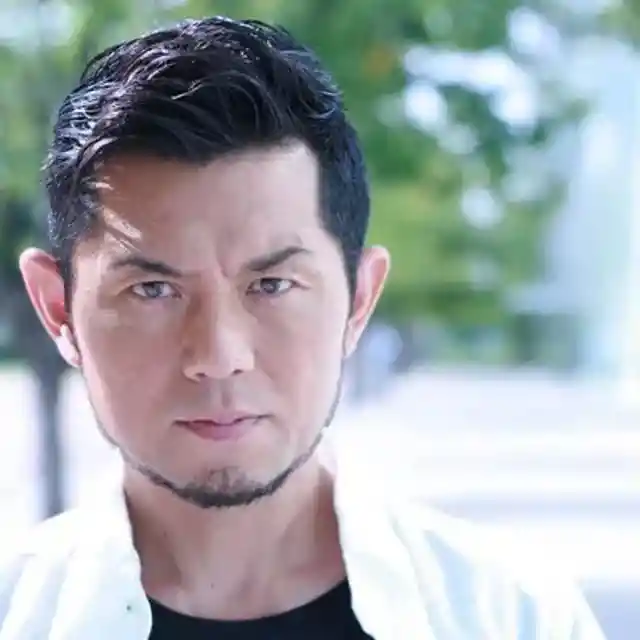
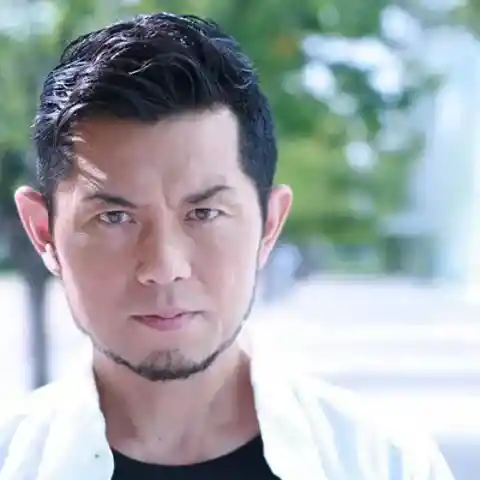
Despite his rebellious behavior bringing him into occasional trouble with the police and nearly leading to expulsion from school, Matoba earned a reputation as a “tough but fair” figure who didn’t bully weaker peers and was well-liked among friends. Some rumors suggest that his delinquent image was partly a persona crafted for his entertainment career. Yet, old TV program segments showing him with a pompadour and shaved eyebrows make it clear he genuinely had a delinquent past. While he may not have stood out in his gang, Matoba has since broadened his roles, performing not only delinquent characters but also comedic parts, and continues to thrive in the entertainment world.
10th place: Tsumami Edamame (comedian)
Tsumami Edamame is a comedian and the leader of the “Takeshi Army.” During his school days, he reportedly had a rebellious streak and was even involved with a motorcycle gang. Stories from that time describe him as a fearsome delinquent, known for using tactics like “aiming for the eyes with the tip of his umbrella” in fights, earning the respect and fear of those around him.
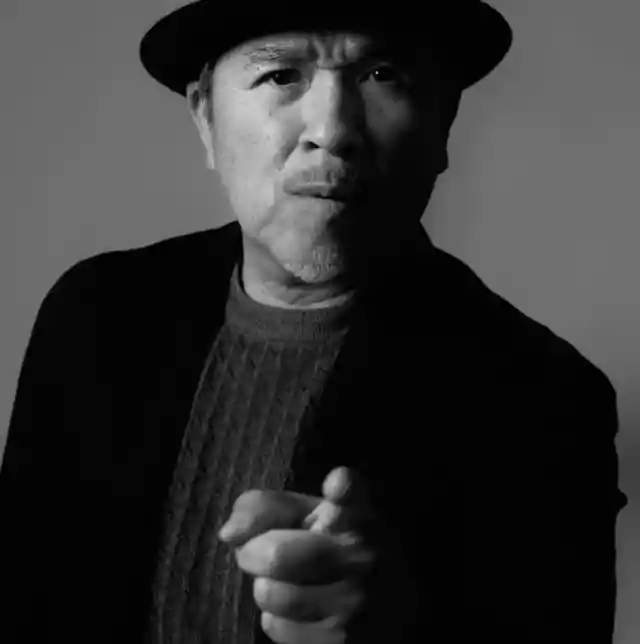
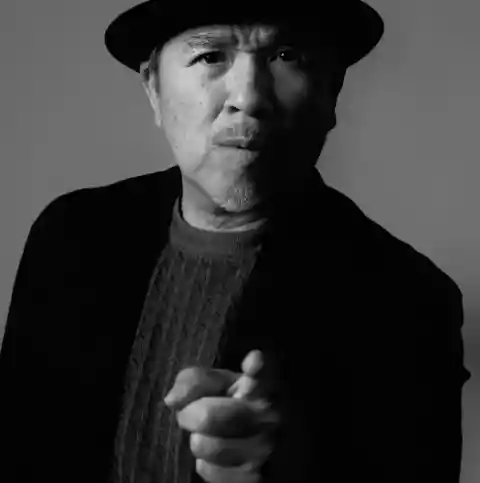
In 1986, when Beat Takeshi confronted Kodansha, the publisher of Friday, Edamame was not contacted. Takeshi had reportedly instructed everyone not to involve him. According to accounts, Edamame watched the TV coverage closely, prepared with a knife, but was dissuaded when Takeshi called to stop him. The right-wing group he was associated with was linked to the Yamaguchi-gumi. Today, Edamame serves as the president of the entertainment agency TAP, appointed by Takeshi. While he is less visible in the public eye, he is said to have strong psychic abilities and has occasionally been active as a ghost storyteller.
9th place: Hiromi (comedian)
Hiromi is a comedian and entrepreneur who manages several businesses, including a training gym. Originally from Hachioji City, he was reportedly a member of the motorcycle gang “Hachioji Specter” during his junior high and high school years. His involvement in the gang was influenced by his older brother, who was already a delinquent, making it a natural path for him. By high school, Hiromi had gained a reputation as a well-known delinquent in his hometown.


At the age of 18, he was involved in a serious car accident with two friends, sustaining a ruptured pelvis and injuries so severe that doctors advised his family to prepare for the worst. Against the odds, he recovered, which inspired him to pursue a career in comedy. The exact cause of the accident remains unclear. Hiromi eventually achieved a breakthrough as a comedian. After a brief hiatus, he has become a popular TV personality, frequently appearing on shows such as Ariyoshi Seminar. While he is also known for occasional house renovations, his remarkable comeback has been key to his current success.
8th place: Hiroshi Tachi (Actor)
Hiroshi Tachi is an actor and singer who rose to fame through the Dangerous Detective series. While a student at Chiba Institute of Technology in 1974, he founded the motorcycle team “Cools,” which initially had 21 members. The group was known for their pompadour hairstyles, black leather jackets, and daring rides through Harajuku and Shinjuku. As stylish street racers, they earned respect from other bosozoku (motorcycle gangs) and began attracting a growing female fanbase.
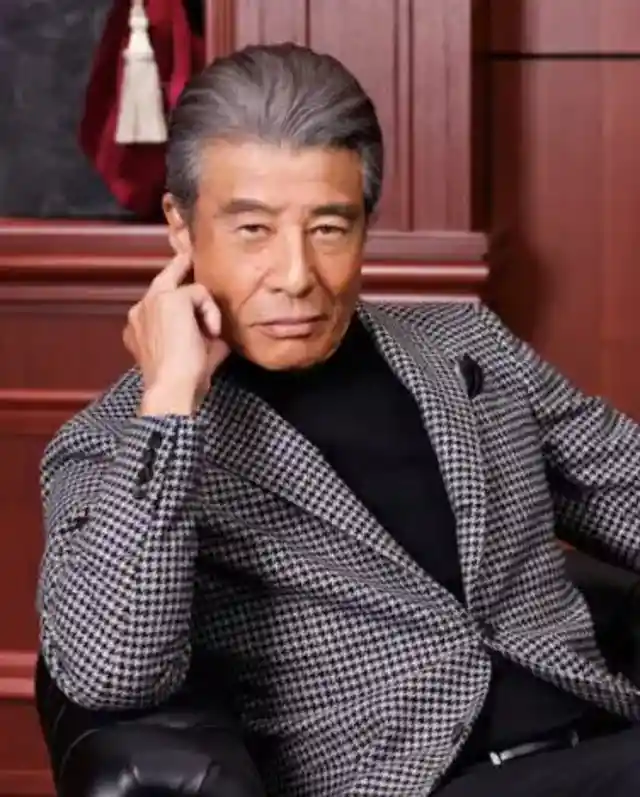
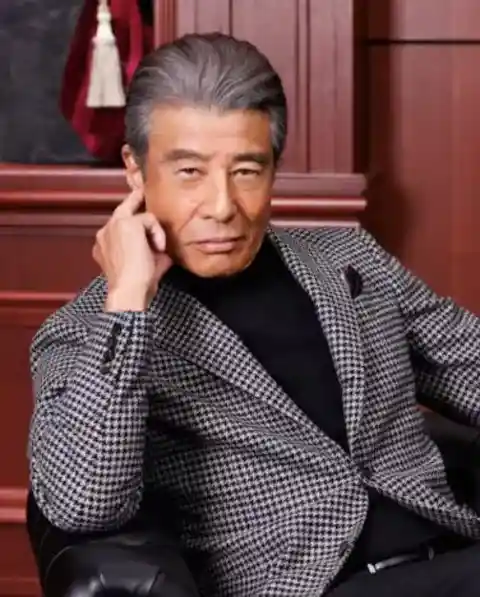
In 1975, when Eikichi Yazawa’s band Carol held their final concert, the Cools acted as their bodyguards. By that point, it is said that many female fans came to see the Cools rather than the band itself. This event eventually led to the formation of a band called The Cools, composed of eight instrumentalists from the motorcycle team. Tachi made his film debut in 1976 with Violent Classroom and left the band in 1977. He later starred in numerous hits, including the 1979 drama Seibu Police. Remarkably, The Cools remain active even 40 years later, with new members keeping the spirit alive. Despite his acting success, Tachi’s passion for motorcycles endures, particularly for Harley-Davidsons, which he loved during his time with the Cools.
7th place: Hirosue Ryoko (actress)
Although she debuted with an innocent idol image, her reputation as a troublemaker grew due to a series of scandals. Rumors suggest that she was feared as a “female gang leader” among local girls, and that her boyfriend at the time rode a modified motorcycle. Early in her career, while she was promoted as a pure idol, there were whispers of connections to the Kanto Rengo, particularly during her relationship with actor Kaneko Ken. Her unconventional behavior became more noticeable around this period, including arriving late to events and appearing intoxicated in public.


One anecdote claims that she once went to a Kanto Rengo-affiliated club seeking drugs and was told to “poop in an ashtray” if she wanted any—which she allegedly did. Kaneko Masaru was reportedly involved in stimulant drug distribution within the group. Later, she married Okazawa Takashi, who is also said to have ties to the Kanto Rengo. Although unverified, stories from this period suggest she was involved in clubbing, intoxication, and indecent behavior. Given these alleged connections, the rumors of her delinquent past are easier to understand.
6th place: Koichi Iwaki (artist and actor)
Koichi Iwaki is an actor who made his screen debut in the 1975 film The Great Shinkansen Explosion. He was originally part of the Cools, a motorcycle and music group founded by Hiroshi Tachi, and rode a Harley Davidson during that time. Known for his striking looks, he attracted a large female following. While he didn’t initially join the band side of the Cools because he wasn’t interested in music, he became involved after bonding with Tachi over motorcycles. Their friendship was sealed with a blood oath, leading to his participation in the group.
In 1977, Iwaki was arrested for substance use, reportedly obtained through contacts he made during his time with the Cools. In a later interview, he provocatively remarked, “What’s wrong with injecting substances?” highlighting the darker side of the seemingly glamorous gang lifestyle. With the support of his older brother, Yusaku Matsuda, he rehabilitated and resumed his acting career. Beyond acting, he has worked as a probation officer and continues to enjoy hobbies from his youth, including serving as chairman of a clay shooting range.
5th place: Reiko Takashima (actor)
Reiko Takashima is an actress who began her career as a race queen before appearing in the TV drama Abarenbo Shogun III. During high school, she was part of a local ladies’ motorcycle club in Yokohama. A passionate vehicle enthusiast, she earned her moped license at 16 and spent much of her youth riding motorcycles. Growing up with a strict father, her rebellious streak found an outlet in the world of ladies’ racing. Having experienced bullying as a child, she was drawn to strong, independent women and admired their toughness. After leaving the ladies’ racing scene, she earned a license at 21 to compete in JAF-certified races.
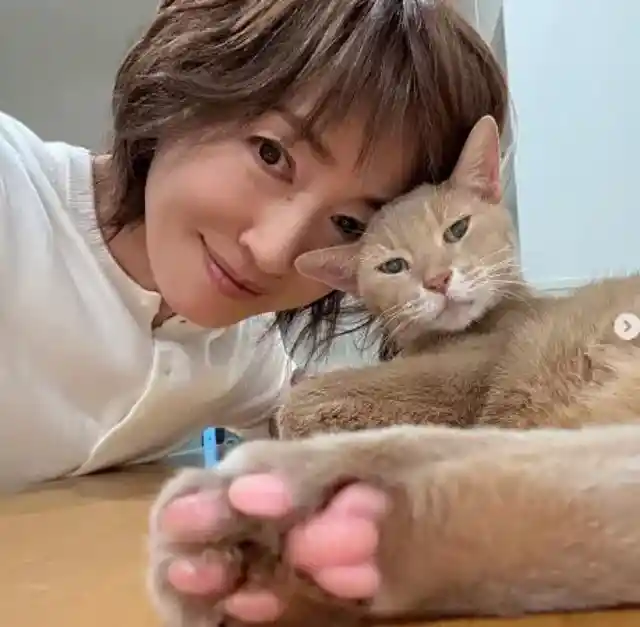
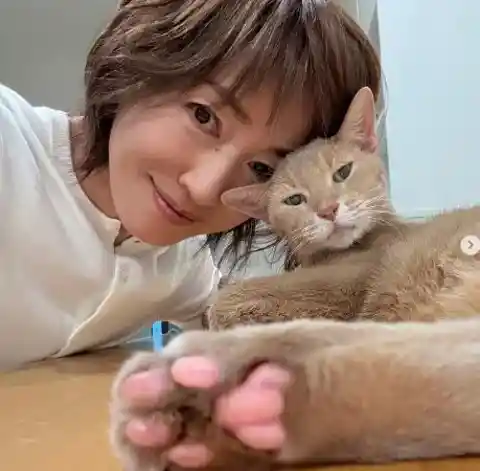
Takashima raced at speeds of up to 230 km/h at Fuji Speedway. She initially became a race queen to fund her professional racing ambitions, but ultimately gave up the dream due to financial constraints. After entering the entertainment industry, she married actor Haruo Kochi in 1999. Kochi reportedly joked that, since his wife had been in a motorcycle gang, he would be in serious trouble if he ever cheated. At the time, Takashima was already a well-known actress, while Kochi had less experience in the industry, and critics described the marriage as “unequal.” The marriage was strained by his involvement with stimulants and an affair, which led to his arrest. Takashima initially resisted divorce, but the couple eventually separated in 2016. With a father involved in the yakuza in Tokushima and an adoptive father who was a Yamaguchi-gumi boss, her attraction to dangerous men may have been shaped by her own past in a motorcycle gang.
4th place: Shinsuke Shimada (comedian)
Shinsuke Shimada is a comedian who formed the duo “Shinsuke & Ryusuke” with Ryusuke Matsumoto. During high school, he was reportedly part of a motorcycle gang. His rebellious streak began in his second year of junior high, when he frequently broke school windows and sold stolen items in classrooms. His turn to delinquency was influenced by his father, a dedicated employee of the Japanese National Railways. Seeing his father pass written promotion exams but fail interviews, Shimada concluded that “being diligent alone isn’t enough to succeed.” He also spent much of his middle school years at pachinko parlors, though he remained active in club activities.
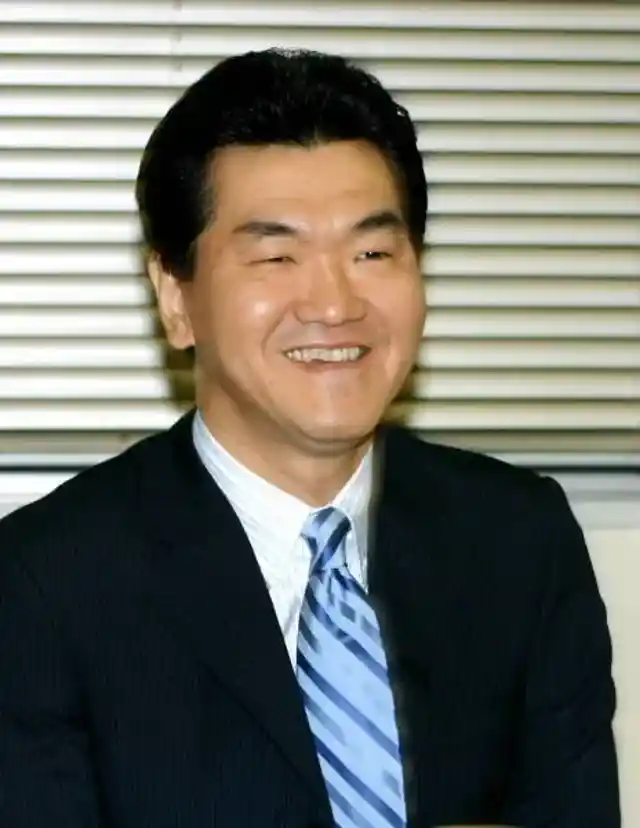

His rebellious behavior continued into high school, leading him to join a local motorcycle gang. At the time, he seriously considered becoming a yakuza and was even arrested for car theft, serving time in a juvenile detention center. He also dabbled in cigarettes, paint thinner, and blackmail. To improve himself physically, he started boxing in high school and reached the point of competing in tournaments. It was during this time that he became inspired by the comedy duo B&B, prompting him to apprentice with a comedian and eventually drop out of university to pursue comedy—a choice his father strongly opposed.
Shimada later rose to great success in the entertainment industry. However, in 2011, his connections to organized crime came to light, prompting him to retire from show business. Although there are no indications of a formal return, he still occasionally appears on other celebrities’ social media, suggesting he hasn’t entirely severed ties with the industry.
3rd place: Kyosuke Himuro (artist)
Kyosuke Himuro is the lead vocalist of the rock band BOØWY and is famously remembered as a delinquent in his hometown of Gunma Prefecture, earning the nickname “Emperor.” His reputation was so formidable that even the intimidating Koji Kikkawa once called him a “street pro” on a variety show. During high school, Himuro leveraged his fighting skills to join a motorcycle gang called the Black Emperor, though he soon quit, disliking life under strict organizational rules. His delinquent streak reportedly began after wearing bontans to his middle school entrance ceremony, which led to a confrontation with an older student. From then on, he spent much of his time fighting and was even known to flip over a police car.
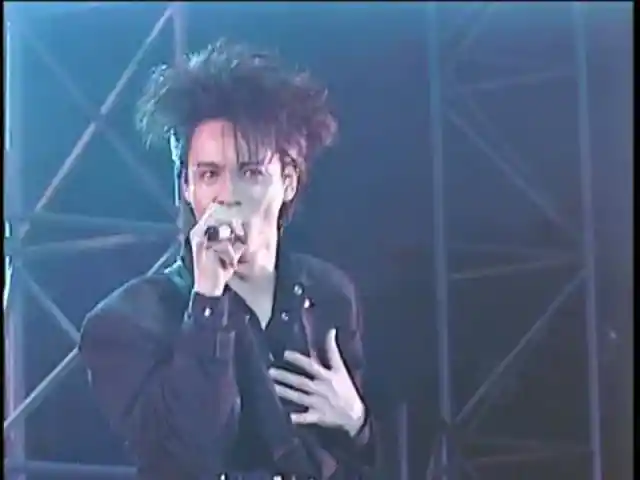

Tomoyasu Hotei, a friend from his student days, once recalled, “I was just scared,” and when called to introduce the band, he feared, “I might get punched.” Himuro, however, faced the challenge with a daring mindset, thinking, “I’ll be happy if I get punched once,” and showed up to the meeting. The manager of BOØWY once jokingly remarked on the radio, “If I hadn’t been into music, I would have become a gangster.” Himuro’s rough school life was so notorious that a Friday magazine report once falsely claimed he had a “conviction for murder as a boy”—a rumor he laughed off on the radio.
Despite his turbulent youth, Himuro turned his life toward music, joined a biker gang briefly, got into fights, and even faced arrest, but ultimately became the lead singer of a successful rock band. After BOØWY disbanded, he moved to Los Angeles. Following the Great East Japan Earthquake in 2011, Himuro donated nearly 1 billion yen to the Tohoku region. His hometown of Takasaki celebrated his generosity, remarking, “He has returned from trash as dust,” a testament to his transformation from rebellious youth to respected figure.
2nd place: Michiko Yoshise (actor)
Michiko Yoshise is an actress who appeared in the 2014 drama Hirugao. During her high school years, she was known as a famous delinquent in her hometown. Her childhood was marked by family instability—her mother temporarily ran away when Michiko was in elementary school—which is believed to have influenced her rebellious streak. Even as a teenager, Yoshise was strikingly beautiful and was featured in a local magazine while still a delinquent. She often wore her school uniform as a miniskirt and kept her brown hair straight, a style that became part of her delinquent image. She frequently stayed out overnight without permission and often did not return home. Many of the boys who pursued her were also delinquents, and in her hometown of Asakura City in Fukuoka Prefecture—a region historically known for delinquent activity and motorcycle gangs—Michiko gained a reputation that drew attention. At the gas station where she worked part-time, motorcycle gang members would line up just to see her. An acquaintance from her high school days recalls that she consistently wore short skirts and kept her hair in a straight cut, maintaining her distinctive style even then.
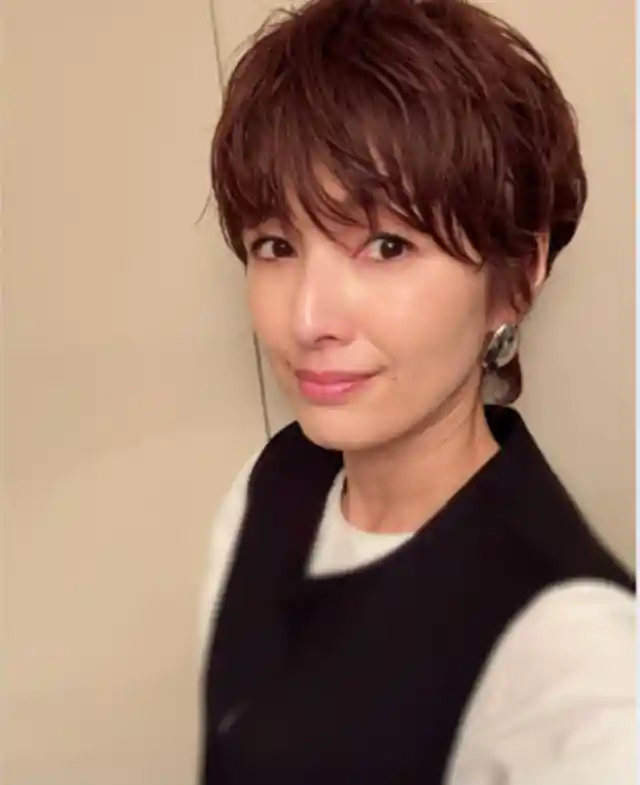

After graduating from high school, Michiko initially aimed to become a hairdresser but failed her job interview. She then worked at a coffee shop and a beauty salon, where she was scouted and entered the entertainment industry. From there, she steadily advanced in her career, appearing on shows such as Odoru Sanma Goten, and has become recognized as a talented and beautiful actress. Over time, Michiko reconciled with her mother—the source of much of her early rebellion—especially after marrying and having children. During her pregnancy, her mother came to Tokyo, stayed overnight, and took care of all the household chores. Today, they enjoy hot spring trips together and have developed a close mother-daughter relationship.
1st place: Tsuyoshi Ukaji (Actor)
Ukaji Tsuyoshi is an actor who will appear in the 2024 winter drama Okura. After dropping out of high school, he joined the motorcycle gang “Black Emperor” at the age of 17. He eventually became the seventh-generation leader and gained a legendary reputation for never losing a fight. Blessed with a strong physique from birth—he weighed 5,000g—he excelled in sports during his school days, particularly baseball. However, he was sent to a juvenile detention center after mediating a fight between two delinquent friends.
Standing at 188cm as an adult, Ukaji was a formidable leader, heading a gang of 2,000 members and overseeing a network that included over 10,000 people. He maintained a strict code of honor: he reconciled with anyone who challenged him to a one-on-one fight, yet he was ruthless toward anyone who attempted to ambush him. Those who knew him at the time described him as “a terrifying presence, like a demon.” He was later arrested in connection with a conflict between motorcycle gangs and sent to a juvenile detention center in Ibaraki Prefecture. Even though he did not participate in the fight, his leadership role made him legally responsible.
Ukaji’s legend includes stories of single-handedly defeating the leader of a rival gang and dispersing approximately 1,000 opponents. However, during his time in juvenile detention, he read Chaplin, which inspired him to pursue a career in acting. Since entering the entertainment industry, he has channeled his energy into performance rather than violence. He continues to be active in various fields, including stage productions exploring Ainu culture, which reflects his own heritage.